Posts

Showing posts with the label Clinical Diagnostic

Preimplantation Genetic Diagnosis: Promoting Health and Well-being of Future Generations

Image
Preimplantation Genetic Diagnosis Preimplantation Genetic Diagnosis (PGD) is a groundbreaking reproductive technology that has revolutionized the field of assisted reproduction. It allows couples who carry genetic disorders or have a high risk of passing on genetic conditions to their children to ensure the health and well-being of future generations. By screening embryos before implantation, PGD offers the opportunity to select and transfer only healthy embryos, minimizing the risk of genetic diseases and promoting a better quality of life for individuals and families. One of the key advantages of PGD is its ability to detect and prevent the transmission of serious genetic disorders. Many inherited conditions, such as cystic fibrosis, sickle cell anemia, Huntington's disease, and muscular dystrophy, can be identified through genetic testing. PGD enables couples to identify embryos carrying these genetic mutations and choose not to implant them, ultimately reducing the chances of ...

To Constipation Treatment, Lifestyle Changes And A Change In Diet Are Recommended For Increasing Stool Transit Time

Image
Constipation Treatment Constipation is a common digestive disorder that affects millions of people worldwide. It is characterized by difficulty or infrequency in passing stools. While occasional constipation is not a cause for concern, chronic constipation can lead to serious health complications, such as hemorrhoids, anal fissures, and diverticulitis. In this article, we will discuss various treatment options for constipation. Lifestyle Changes: The first step in Constipation Treatment is making some changes to your lifestyle. Simple changes like drinking more water, eating more fiber-rich foods, and exercising regularly can help alleviate constipation symptoms. You should aim to drink at least 8-10 glasses of water each day to keep your digestive system hydrated. Eating foods rich in fiber like fruits, vegetables, and whole grains can also help soften your stools and make them easier to pass. Regular exercise can also help stimulate bowel movements and prevent constipation. The glob...

The Metabolic Testing Is A Comprehensive Assessment Of The Body's Energy Utilization And Metabolism

Image
Metabolic Testing Metabolic Testing is a comprehensive evaluation of the body's energy utilization and metabolism. It is a non-invasive procedure that measures the amount of oxygen the body uses and the amount of carbon dioxide produced during exercise. This information is used to calculate the body's metabolic rate, which provides insight into a person's overall health and fitness level. There are different types of metabolic tests, including indirect calorimetry, direct calorimetry, and doubly-labeled water. Indirect calorimetry is the most commonly used method, and it measures oxygen consumption and carbon dioxide production through breath analysis. Direct calorimetry measures heat production, while doubly-labeled water measures changes in isotopic ratios in the body. The purpose of metabolic tests is to help people better understand their body's energy utilization, which can be affected by factors such as body composition, diet, physical activity, and overall health...

Cell Line Development Is Being Used In Various Research And Manufacturing Applications, As Well As For Drug Development

Image
Cell Line Development The technique of co-opting cellular function to produce therapeutic biologics or other useful proteins is known as Cell Line Development . Cell line develope can be done via bacterial, yeast, plant-based, or mammalian expression systems. Chinese hamster ovary (CHO) cells are the most frequently employed for the creation of the complex protein. These cells are cultured in suspension cultures with the intention of using them in bioreactors at the manufacturing stage. The creation of these cell lines is a difficult, drawn-out procedure with many steps and obstacles. A selection step is necessary to enrich for the cells that have taken up the construct after CHO cells have been transfected with the target construct. Then, colonies of single cells must be formed, isolated, and their ability to produce protein measured. The top candidates are extended and kept to test for expression stability when this production screen is finished. Prior to scaling up to production lev...

It Is Important To Introduce The Sample Ideally On The Column Or Very Close To It In Liquid Chromatography To Minimize Diffusion Of The Sample

Image
Liquid Chromatography In the subsequent steps, Liquid Chromatography separates a sample into each unique component. A tube filled with porous particles is loaded with a little amount of liquid sample (stationary phase). The sample's constituent parts are pushed along the packed tube's (column's) length by a liquid (mobile phase) that is propelled by gravity or intense pressure. Based on their various affinities for the mobile or stationary phase, the sample constituents are divided. A "liquid chromatogram" is created when the detected component signal plots against time after eluting from the column. Based on how differently they interact physicochemically with the stationary and mobile phases, molecules of interest in the mobile phase are divided. These interactions may be determined by a combination of factors including molecular size (size exclusion chromatography), charge (ion exchange chromatography), hydrophobicity (hydrophobic interaction chromatography), ...

A Urinalysis Examines A Small Sample Of Urine To Identify Issues That Need To Be Addressed

Image
Urinalysis A simple test called a urinalysis examines a little sample of your urine. It can assist in identifying issues that require treatment, such as infections or kidney issues. Additionally, it can aid in the early detection of major ailments including renal disease, diabetes, or liver disease. A Urinalysis is another name for a urinalysis. There are three components to a urine test: visual examination. The colour and clarity of the urine will be assessed. Urine that contains blood may appear red or have a tea or cola-like hue. Urine that is cloudy may have an infection. Urine that is foamy may indicate renal issues. Microscopic analysis: The presence of red blood cells, white blood cells (or pus cells), bacteria (germs), or crystals that are not normally present in urine will be examined under a microscope on a small sample of Urinalysis Market (which are formed from chemicals in the urine and may eventually get bigger and become kidney stones). Dipping stick test A dipstick is...

Cholesterol Testing Services levels in the blood can lead to plaque formation since cholesterol is converted to vitamin D and certain hormones in the body

Image
Cholesterol Testing Services All of the cells in our body contain cholesterol, a waxy, fatty-like substance. If your blood cholesterol level is too high, it may join with other blood constituents to produce plaque, which adheres to the lining of your arteries. Another name for a comprehensive cholesterol test is a lipid panel or lipid profile. It can be used by your doctor to assess the levels of "good" and "bad" cholesterol as well as a form of fat called triglycerides in your blood. Blood contains a particular sort of fat called cholesterol. Although some meals contain it, the liver produces the majority of it. Your body needs a modest quantity of Cholesterol Testing Services to perform some essential tasks. However, having too much cholesterol in the body can lead to the heart's and the brain's arteries becoming narrower, greatly raising the chance of a heart attack or stroke. The following are the results of the total Cholesterol Testing Services Market...

Essential Things You Need to Know Cannabis Testing

Image
Cannabis Testing Cannabis Testing is the examination of an individual sample of cannabis to determine THC, CBD, and terpene levels, as well as contaminants and impurities such as residual solvents, mould, disease, pests, or pesticide residue. Each state and municipality can establish their own standards and regulations for what must be tested and printed on cannabis labels. Individual growers may choose more stringent standards, even having their samples tested for CBC and CBG levels. Only certified chemists and lab technicians should conduct cannabis test. Cannabis quality testing is required in all countries where legalisation has occurred. We provide the most comprehensive range of analytical and microbial tools to ensure the safety and efficacy of cannabis products. We provide solutions for your entire Cannabis Testing Market workflow, from sample prep and chromatography columns to certified reference materials, water purification systems, and hygiene monitoring. During the culti...

Trypsin is a Digestive Enzyme that Aids in Digestion

Image
Trypsin Trypsin is a digestive enzyme that aids in the digestion of food. An enzyme is a type of protein that aids in the speeding up of a biological reaction. The small intestine contains digestive enzyme. Fungus, plants, and bacteria can all be used to make it. However, it is mainly manufactured for commercial uses from cattle pancreas. People who are deficient in digestive enzymes are administered trypsin. It's also used to treat osteoarthritis and a variety of other ailments in combination with bromelain and rutin, but there's no clear scientific evidence to back up these claims. To remove dead tissue and improve healing, some people apply digestive enzyme directly to wounds and ulcers. What is the Mechanism Behind it? Trypsin dissolves dead skin cells (tissue) and promotes the growth of healthy tissue. Inflammation and edoema appear to be reduced when digestive enzyme is combined with other enzymes. What are the Side Effects? When used by healthcare professionals for wou...

HPV and Pap Testing has Been Linked to Cervical Carcinoma Development, Thus Allowing Cervical Cancer Prevention Techniques to be Implemented

Image
HPV and Pap Testing New technologies and medications, a growing number of thyroid cancers are being detected early in the treatment process. Long-term survival, few surgical complications, and improved quality of life at a low cost are all possible with advanced treatments. Thyroid cancer HPV and Pap Testing  can be classified into three types: differentiated, medullary, and anaplastic. Anaplastic thyroid cancer, for example, is marked by a tumour that is aggressive and undifferentiated. Thyroid cancer can take many forms, including thyroid lymphomas, thyroid sarcomas, parathyroid cancer, and other rare thyroid tumours. Human papillomavirus (HPV) is a group of around 150 viruses that cause cancer. A type or number is assigned to each HPV virus. HPV and Pap Testing  are only attracted to a specific type of cell called squamous epithelial cells, and they can only survive in these cells. Some human papillomaviruses cause non-cancerous tumours, while others cause cancer in the vag...

Antimicrobial Susceptibility Testing Has Become an Important Procedure to Determine a Pathogen’s Sensitivity To Different Antibiotics

Image
Antimicrobial Susceptibility Testing Antimicrobial Susceptibility Testing  is a vital part of the health care process. Most infectious diseases are bacterial in origin. This test can determine the sensitivity of a pathogen to various types of antibiotics. It is necessary to determine the MICs of pathogens in order to institute the appropriate treatment regimens for patients. It is an effective method of determining the level of resistance a bacteria may have to different kinds of antibiotics. The first method of  Antimicrobial Susceptibility Testing  was the macro broth dilution method. This procedure involved two-fold dilutions of bacterial suspensions in test tubes. The liquid growth medium was inoculated with the standardized bacterial suspension and incubated overnight at 35degC. The minimum inhibitory concentration (MIC) of a bacterium was determined by calculating the area of inhibition in a given culture. The most widely used method of  Antimicrobial Susceptib...

Glycated Albumin Assay; an Efficient Way to Manage Diabetes and Reduce Diabetic Complications

Image
Glycated Albumin Assay Glycated Albumin Assay  is considered a potential tool for the diagnosis of diabetes. Glycated albumin is the higher glycated portion of fructosamine, a measure of an individual’s 2-3 week average blood sugar levels. It is used in diabetics to help monitor changes in glucose over time. In short, glycated albumin is an indicator of diabetes, or glycated albumin is an efficient way to reduce diabetic complications and manage diabetic patients by early diagnosis. Thus, with the increasing prevalence of diabetes, the use of Glycated Albumin Assay  around the world is also increasing at a rapid pace. In the United States, the prevalence of diabetes is increasing at an alarming rate. For example, according to the American Diabetes Association, in 2019, around 37.3 million people in the U.S., or 11.3% of the US population, had diabetes. There are various laboratory tests such as two-hour plasma glucose (2hG), fasting plasma glucose (FG), and glycated hemoglobin...

Immunofluorescence Analyzer Is a Type of Advanced Medical Device Used By Healthcare Professionals

Image
Immunofluorescence Analyzer Immunofluorescence Analyzer  is used all over the world, especially in regions such as the US, UK, and Italy. Immunofluorescence analysis is a vital tool for medical professionals. These instruments can help diagnose a range of conditions such as cardiovascular disease, pregnancy, infection, and cancer. With the prevalence of chronic diseases on the rise, this instrument is highly important. The immunofluorescence analysis offers a variety of features to help healthcare practitioners make informed decisions. In addition, this machine can also be used to monitor the progression of different diseases, including diabetes, autoimmune disorders, renal injuries, and cancer. In regions such as the U.S., the increasing prevalence of cancer has increased the usage of Immunofluorescence Analyzer . For instance, according to the U.S. Centers for Disease Control and Prevention, annually in the U.S., over 1.6 million individuals get diagnosed with cancer. The immunof...

Cannabis Testing is Used for a Variety of Reasons, Including Determining the Amount of Cannabis Present in Other Analytical Materials

Image
Cannabis Testing Cannabis Testing is the process of analyzing a single sample of cannabis to identify THC, CBD, and terpene levels, as well as pollutants and impurities such as residual solvents, mold, illness, pests, and pesticide residue. Each state and municipality has the authority to establish its own standards and regulations for what must be tested and printed on cannabis labeling. Individual producers may also choose to adhere to more severe guidelines, even having their samples tested for CBC and CBG levels. Only certified chemists and lab workers are permitted to conduct this testing. Cannabis production and sales were previously prohibited over the world for numerous years. Many countries are now recognizing the therapeutic benefits of cannabis and lifting their bans. The COVID-19 pandemic's unexpected emergence has both positive and bad implications for the pharmaceutical and life sciences industries. Low demand for instruments, consumables, and reagents, as well as su...

Anatomic Pathology Refers to the Examination of Organs and Tissues Utilizing Both Microscopic and Biochemical Methods for Diagnosis

Image
Anatomic Pathology Anatomic Pathology entails the direct observation of human tissue under a microscope and as a gross examination for the appropriate diagnosis of a disease or pathological condition. Surgical pathology, oral and maxillofacial pathology, cytopathology, molecular pathology, and forensic pathology are all subtypes of pathology. Gross inspection, histopathology, immunohistochemistry, in situ hybridization, cytopathology, tissue cytogenetics, and other procedures are conducted in pathology.  Microscopic examination of tissue samples with the aid of one or more stains is the standard approach in anatomical pathology. Stains have been produced by manufacturers to identify and classify bacteria in tissue samples or excisional specimens. In tissue samples, several gram stains and acid-fast stains can be used to detect bacteria and mycobacteria. Immunohistochemistry is the imaging of antigens in cells of a tissue segment in order to determine the tissue distribution of a d...

Everything You Need To Know About Pneumonia Testing

Image
Pneumonia Testing Pneumonia is a lung illness caused by bacteria, viruses, or fungi that primarily attacks the small air sacs known as alveoli. The most common bacterial kind that causes pneumonia is Streptococcus pneumonia. Pneumonia is characterized by fever, chills, cough, shortness of breath, and tiredness. To assess whether or whether a person has pneumonia, blood tests, chest X-rays, pulse oximetry, and a sputum test are all utilized. Extra tests for pneumonia screening are also provided if the patient is beyond the age of 65. A CT scan and a pleural fluid culture, for example.  The major drivers of the Pneumonia Testing market size. POC tests offer a variety of benefits, including ease of use and speedy results. For example, the urine antigen is a highly effective rapid test that allows for focussed treatment of legionnaires at the point of care. If the p neumonia  isn't clearing up as quickly as expected, doctors may recommend a chest CT scan to gain a better look at ...

Cell Culture involves the development of cells under artificial conditions after separating them from the tissues of animals and plants

Image
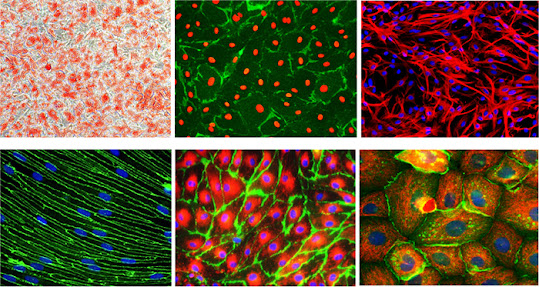
Cell Culture A Cell Culture is essentially sustaining the living cells from a biological source in an external milieu. The cellulite systems aim at maintaining the individual cells which are in three-dimensional media to be cultured and tested under controlled conditions. Under these controlled conditions, biological activity can be observed, and the effect of any perturbations on the cells is also studied. Cellulite has made great progress and new aspects are added to the art every day with respect to the culture of cells. Some of the examples for the Cell Culture are the growth of single cells in culture such as blood cells, stem cells or even animals in culture. Single cells can be grown in culture for many different reasons depending on the culture techniques used. For instance, the culture of red blood cells can be done for some time together, and then some of the cells should divide to form a new generation of red blood cells. These cells are known as blood cells, and so resea...

Information about Automated Endoscope Reprocessors (AERs): Evaluation and Validation

Image
  Automated Endoscope Reprocessors Automated Endoscope Reprocessors (AERs) are significant devices broadly utilized in the medical care setting to reprocess endoscopes, for example, duodenoscopes, and endoscope frill. AERs are intended to kill microorganisms in or on reusable endoscopes by uncovering their external surfaces and inside channels to undeniable level sanitizer or fluid synthetic sterilant solutions. FDA's Evaluation of Automated Endoscope Reprocessors . The FDA is investigating all basic components adding to patient diseases related with exposure to duodenoscopes and how best to relieve them, including how AERs are utilized in clinical settings. The FDA's review of Automated Endoscope Reprocessors safety and adequacy incorporates the accompanying activities to assist with relieving the danger of patient infection:  • Collaborating with industry as they adjust and approve their reprocessing guidelines to improve the wellbeing edge of the techniques used to c...