Posts

Showing posts with the label Advanced Materials

Geopolymer: A Biomimetic Material for Biomedical and Biotechnological Applications
Image
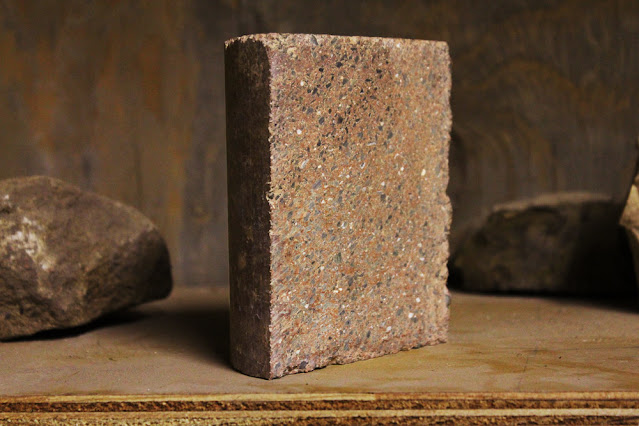
Geopolymer Geopolymer is a material that can mimic the structure and function of natural biological materials such as bone, cartilage, shell, coral, and wood. Inorganic polymer is an inorganic polymer that is formed by activating aluminosilicate materials such as fly ash, slag, metakaolin, and rice husk ash with alkaline or acidic solutions. The expanding building and construction sector is anticipated to fuel the expansion of the Geopolymer Market . Inorganic polymer has a three-dimensional network of covalent bonds that gives it a high thermal stability, mechanical strength, and chemical resistance. Inorganic polymer can also be modified with various organic or inorganic additives to tailor its properties and performance. Inorganic polymer can be used for various biomedical and biotechnological applications, such as: Bone tissue engineering: Inorganic polymer can be used as a scaffold for bone tissue regeneration and repair. Inorganic polymer can mimic the composition, structure, and...
The Ultimate Shield: Polyurethane Resins Paints and Coatings

Image
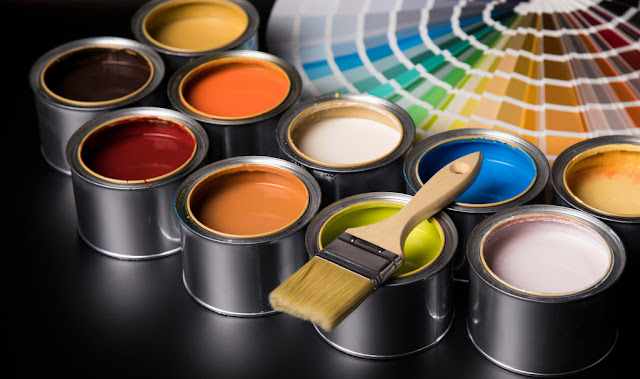
Polyurethane Resins Paints and Coatings When it comes to protecting surfaces and enhancing their durability, Polyurethane Resins Paints and Coatings are the ultimate shield. These innovative products have revolutionized the world of surface protection, providing superior performance and long-lasting results. Whether you're looking to protect your home, industrial equipment, or commercial infrastructure, resins paints and coatings offer a range of benefits that make them an ideal choice. Due to the growing usage of polyurethane resins paints and coatings in a variety of sectors, the size of the global Polyurethane Resins Paints and Coatings Market for these products is anticipated to rise considerably over the projected period. One of the key advantages of resins paints and coatings is their exceptional durability. These products form a tough, protective layer that can withstand harsh environmental conditions, including extreme temperatures, UV radiation, chemicals, and abrasion. ...

Forging the Future: Innovations and Advancements in Metalworking

Image
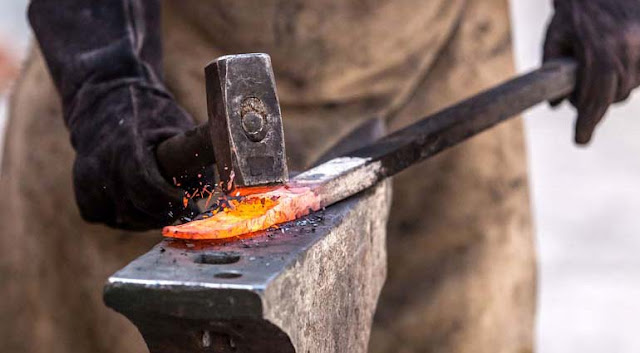
Forging Metalworking has been an integral part of human civilization for thousands of years, shaping the world we live in today. From the earliest forms of blacksmithing to the modern techniques employed in industries worldwide, the art of metalworking has undergone significant transformations, fueled by constant innovation and advancements. In recent years, groundbreaking technologies and techniques have emerged, Forging the future of metalworking and opening up new possibilities for industries and consumers alike. One of the most remarkable advancements in metalworking is the rise of additive manufacturing, more commonly known as 3D printing. This revolutionary technology enables the creation of complex metal parts with unprecedented precision and efficiency. The largest category in the worldwide Forging Market , closed die forging (impression die forging), is predicted to continue growing throughout the forecast period. By layering metal powders and selectively fusing them with las...

The Ultimate Guide to Dye Sublimation Paper: Unleashing Creative Possibilities

Image
Dye Sublimation Paper Dye sublimation printing has gained immense popularity in recent years due to its ability to produce vibrant, high-quality images on a wide range of substrates. At the heart of this printing process lies Dye Sublimation Paper , a specialized medium that enables the transfer of ink onto various materials with exceptional precision and clarity. In this ultimate guide, we will explore the world of transfer paper, its key features, and how it unlocks a plethora of creative possibilities. By the end of 2030, the Dye Sublimation Paper Market is anticipated to reach US$ 801.7 million, growing at a CAGR of 5.3% from 2022 to 2030. Transfer paper is specifically designed for use with dye sublimation printers. It acts as an intermediary between the printed image and the final substrate, facilitating the transfer of ink through a process called sublimation. The paper itself is coated with a special polymer that absorbs the sublimation inks and releases them when subjected to...

Geocells: Innovative Solutions for Sustainable Infrastructure Development

Image
Geocells As the world continues to grapple with the challenges of population growth and urbanization, the need for sustainable infrastructure development has become more critical than ever. Traditional construction methods often result in high costs, excessive material consumption, and negative environmental impacts. However, innovative solutions such as Geocells are revolutionizing the way we approach infrastructure development, offering a sustainable alternative that combines strength, versatility, and environmental consciousness. The Geocells Market is expected to reach US$ 1,486.9 million in value in 2020 and to increase at a CAGR of 8.8% by 2028. Honeycomb are three-dimensional cellular confinement systems made from high-density polyethylene (HDPE) or other similar materials. They consist of interconnected cells that are filled with soil, aggregate, or other infill materials. These cells create a rigid structure that can be used for a wide range of applications, including road a...

Conductive Carbon Black: A Key Ingredient for High-Performance Batteries

Image
Conductive Carbon Black As the demand for high-performance batteries continues to soar in various industries, the quest for innovative materials that can enhance battery performance has intensified. One such material that has garnered significant attention is Conductive Carbon Black . With its exceptional conductivity properties,  carbon black has emerged as a key ingredient for high-performance batteries, revolutionizing the energy storage landscape. Conductive acetylene black is a form of carbon that consists of finely divided particles. It possesses excellent electrical conductivity due to its unique structure, which includes a network of interconnected carbon chains. This conductivity makes it an ideal additive for batteries, as it facilitates the efficient flow of electrons during the charging and discharging processes. According to the Coherent Market Insights By the end of 2027, the Conductive Carbon Black Market is expected to generate more than US$ 220 million in sales, r...

Future A New Era in Medical Advancements: Ultra-Thin Glass at the Forefront

Image
Ultra-Thin Glass In the world of medical advancements, the future holds great promise. Among the innovative technologies emerging on the horizon,  flexible glass  stands out as a game-changer that has the potential to revolutionize various aspects of healthcare. This remarkable material, with its extraordinary properties, is poised to usher in a new era in medical applications. Ultra-Thin Glass , also known as flexible glass or thin-film glass, is an exceptionally thin and flexible material that exhibits transparency, durability, and biocompatibility. Its unique combination of characteristics makes it an ideal candidate for a wide range of medical uses. One of the most promising applications of flexible glass lies in the field of medical imaging. Moreover, flexible glass has the potential to transform the field of minimally invasive surgeries. Traditionally, surgeons rely on rigid and bulky endoscopic tools to perform procedures inside the body. The Ultra-Thin Glass Market wa...

The Environmental Impact of Synthetic Diamond Production

Image
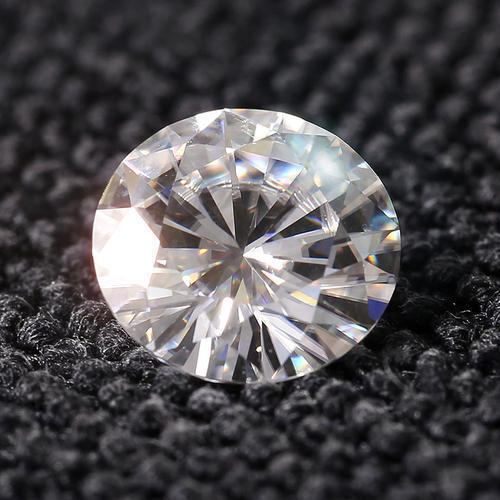
Synthetic Diamond Diamonds are a timeless symbol of love, luxury, and beauty. But the process of mining natural diamonds can have devastating effects on the environment, including deforestation, soil erosion, water pollution, and loss of biodiversity. In recent years, Synthetic Diamond have emerged as a more environmentally friendly alternative to natural diamonds. However, the production of diamonds also has its own environmental impact that cannot be ignored. Diamonds are made by using high-pressure, high-temperature (HPHT) or chemical vapor deposition (CVD) methods to mimic the natural process of diamond formation. HPHT involves placing a small diamond seed in a high-pressure press and subjecting it to high temperatures and pressures. The Synthetic Diamond Market is anticipated to reach US$ 21.40 billion in 2021 and grow at a CAGR of 6.18% from 2022 to 2030. CVD involves heating a gas mixture containing carbon to create a diamond coating on a substrate. Both methods require a sign...

The Versatility of Microfiber Synthetic Leather: A Suitable Material for Various Applications

Image
Microfiber Synthetic Leather Microfiber Synthetic Leather is a popular alternative to natural leather due to its many advantages. Leatherette is a versatile material that has a range of applications. It is used in various industries, including fashion, automotive, furniture, and healthcare. One of the main advantages of leatherette is its durability. It is resistant to wear and tear, making it a popular choice for furniture and automotive upholstery. Its durability means it can withstand frequent use and cleaning without losing its appearance. The Microfiber Synthetic Leather Market , which was valued at US$ 23.6 billion in 2022, is anticipated to expand to US$ 42.25 billion by 2030, with a CAGR of 7.55%. Another advantage of leatherette is its versatility in design. It can be produced in various textures and colors, allowing it to be used in different applications. The ability to create a variety of textures and colors also means that it can be made to mimic natural leather, suede, a...

Future Directions in the Development of Low Molecular Antistatic Agents

Image
Low Molecular Antistatic Agents Antistatic agents are chemicals added to polymers and other materials to reduce the buildup of static electricity. Low Molecular Antistatic Agents , also known as surface-active agents, are commonly used in a variety of industries such as electronics, textiles, and packaging. While there are several options available in the market, the development of new and improved antistatic agents remains an important area of research. One area of focus is the development of more environmentally friendly antistatic agents. Many of the current options contain harmful chemicals such as quaternary ammonium salts and amines, which can be toxic to humans and the environment. Researchers are exploring alternative materials such as plant-based compounds and biodegradable polymers. For example, chitosan, a natural polymer derived from the shells of crustaceans, has been shown to have antistatic properties and could be a promising alternative to synthetic agents. In 2022, the...

Advances in Synthetic Diamond Technology: New Developments and Future Prospects

Image
Synthetic Diamond Synthetic Diamond have come a long way since their first creation in the 1950s. Initially, diamonds were primarily used in industrial applications due to their hardness and wear resistance. However, in recent years, advances in diamond technology have enabled the production of high-quality gem-grade diamonds, opening up new possibilities for the diamond industry. One of the most significant developments in diamond technology has been the introduction of chemical vapor deposition (CVD) technology. CVD involves the use of gases such as methane and hydrogen to create a plasma that deposits diamond onto a substrate. The Synthetic Diamond Market was estimated at USD 21.40 billion in 2021, and from 2022 to 2030, it is expected to increase at a CAGR of 6.18%. This technology has several advantages over traditional high-pressure, high-temperature (HPHT) methods, including better control over diamond quality and the ability to create complex shapes and patterns. CVD has allo...

The Role of Cable Trays in Data Centers: Managing High-Density Cabling and Improving Airflow

Image
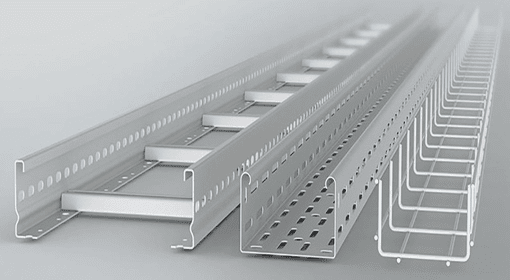
Cable Trays Data centers are critical to the smooth functioning of businesses today. These facilities are responsible for housing the servers and equipment that run the IT infrastructure of organizations. With the ever-increasing demand for data storage and processing, data centers are now more vital than ever. However, the management of cables in data centers can be a daunting task. This is where CT come in handy. Cable Trays are essential in managing high-density cabling in data centers. They are used to organize and support cables that run between racks, servers, and switches. These trays are designed to handle heavy loads, and they can be customized to suit different applications. The trays are made from various materials, including aluminum, steel, and fiberglass. In addition to providing support for cables,  CT  improves airflow in data centers. When cables are not correctly managed, they can obstruct the flow of air, which can lead to increased temperatures and the pot...

Carbon Black: A Crucial Component In The Production Of Plastic And Rubber Products

Image
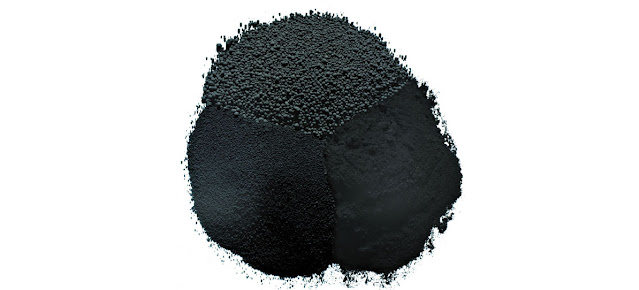
Carbon Black Carbon Black is a fine black powder made of carbon particles that are produced by the incomplete combustion of hydrocarbons such as oil and natural gas. It is used as a reinforcing agent in rubber products and as a black pigment in inks and paints. Carbon black has many unique properties that make it useful in a wide range of applications. Revenue for the global Carbon Black Market was estimated at US$ 1093.1 Million in 2021, growing at a CAGR of 6.84% over the projected period (2022 to 2030). One of the key properties of carbon black is its high surface area. This is due to the small particle size of carbon black, which ranges from 10 to 500 nanometers. The high surface area of carbon black allows it to interact with other materials in a variety of ways. Another important property of Carbon Black is its electrical conductivity. Carbon black is a good conductor of electricity due to the delocalized electrons in its structure. This property makes carbon black useful in el...

Beryllium Is A Valuable Metal With Unique Properties For A Wide Range Of Industrial And Technological Uses

Image
Beryllium Beryllium is a metallic element with the symbol Be and atomic number 4. It is one of the rarest elements in the earth's crust and is found in small quantities in different types of rocks, minerals, and soils. It has a grayish-white appearance and is lightweight, strong, and hard, making it a valuable metal for a variety of industrial and technological applications. Discovery and History Metallic element was discovered in 1798 by French chemist Louis Nicolas Vauquelin. He isolated metallic element oxide from the mineral beryl and named the new element after the Greek word "beryllos," which means "precious blue-green color." However, it wasn't until 1828 that pure metallic element was obtained by Friedrich Wöhler through the reduction of metallic element chloride with potassium. The size of the worldwide Beryllium Market , which was estimated at 402.01 MT in 2021, is projected to rise at a CAGR of 2.12% from 2022 to 2030. Physical and Chemical Prope...

A Masking Tape Is A Paper Tape That Leaves No Traces When Applied And Removed Smoothly

Image
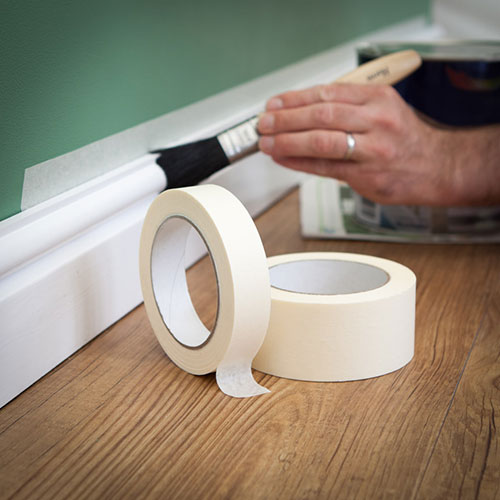
Masking Tape  Masking Tapes are versatile and useful tools in many industries, ranging from construction to automotive repair. These tapes are pressure-sensitive and have adhesive properties that allow them to stick firmly to a surface without leaving any residue or damaging the surface when removed. The tapes are available in different sizes, widths, and colors, making them ideal for a wide range of applications. By the end of 2028, the Masking Tapes Market is anticipated to reach US$ 8,007.00 million, growing at a CAGR of 5.20%. (2021 to 2028). Mask tapes are made of a thin, flexible material, typically paper or plastic, and coated with a pressure-sensitive adhesive. The adhesive is designed to stick to a wide range of surfaces, including wood, metal, glass, and plastic, making it useful in a variety of industries. The tapes can be easily torn by hand, making them convenient to use and apply. One of the primary uses of mask tapes is in painting and decorating. The tapes are use...

A Masking Tape Is An Adhesive Tape That Can Be Easily Removed Without Leaving Residue Or Damaging Surfaces

Image
Masking Tape Masking Tapes is a type of adhesive tape that is designed to be easily removed without leaving residue or damaging surfaces. It is typically used for a variety of applications, including painting, crafting, and DIY projects. In this article, we will explore the various types of masking tape, their uses, and some tips for selecting and using masking tape effectively. By the end of 2028, the Masking Tapes Market is anticipated to reach US$ 8,007.00 million, growing at a CAGR of 5.20%. (2021 to 2028). Types of Masking Tape There are several types of mask tape available on the market, each with its own unique properties and intended uses. The following are some of the most common types of masking tape: General Purpose Mask Tape - This type of masking tape is the most commonly used variety and is suitable for a wide range of applications. It is typically made from a paper or vinyl material and features a moderate adhesive strength that allows it to be easily removed without ca...

The Silicon Metal Is Manufactured From Quartzite, Which Contains Silicon Dioxide Naturally

Image
Silicon Metal Silicon Metal , also known as industrial silicon or metallurgical silicon, is a crucial industrial material used in a wide range of applications. It is a grey, hard, brittle material that has a crystalline structure similar to that of diamond. Industrial silicon is produced from high-purity quartz and carbon materials through a smelting process that requires a high level of energy. Uses of Silicon Metal: Industrial silicon is used in a wide range of industrial applications. Some of the most common uses include: Electronics: Industrial silicon is the primary material used in the production of semiconductors, which are the foundation of modern electronics. Semiconductors are used in a wide range of electronic devices, including computers, smartphones, and other electronic gadgets. Solar Energy: Industrial silicon is also used in the production of solar cells, which are used to capture and convert solar energy into electricity. Silicon-based solar cells are the most commonly...